







Sun Safety Beyond Summer: Year-Round Habits That Protect Your Skin
Sun Safety Beyond Summer: Year-Round Habits That Protect Your Skin
British weather creates a specific blind spot: overcast skies in March or a cold, bright day in November don't feel dangerous, so sunscreen gets left in a drawer until the first genuinely hot week of summer.
UV radiation doesn't follow that same seasonal logic. Cloud cover blocks visible light far more effectively than it blocks UV, and reflective surfaces like snow or water can push exposure higher than a sunny beach day even in cooler months.
Why Winter Sun Still Damages Skin
UV index is highest around midday regardless of season, and in the UK it remains high enough in spring and early autumn to cause meaningful cumulative damage, particularly for anyone spending time outdoors for exercise, dog walking or commuting on foot.
Snow reflects up to 80% of UV radiation back upward, which is why skiers get sunburned on cloudy mountain days more often than people expect. Water and sand offer similar, if smaller, reflective boosts that catch people off guard outside the obvious summer beach context.
This reflective effect is one reason winter sports injuries clinics see a steady trickle of sunburn cases every ski season, often on people who would never think to pack sunscreen for a trip they associate entirely with cold weather rather than sun exposure.
Building Sunscreen Into an Everyday Routine
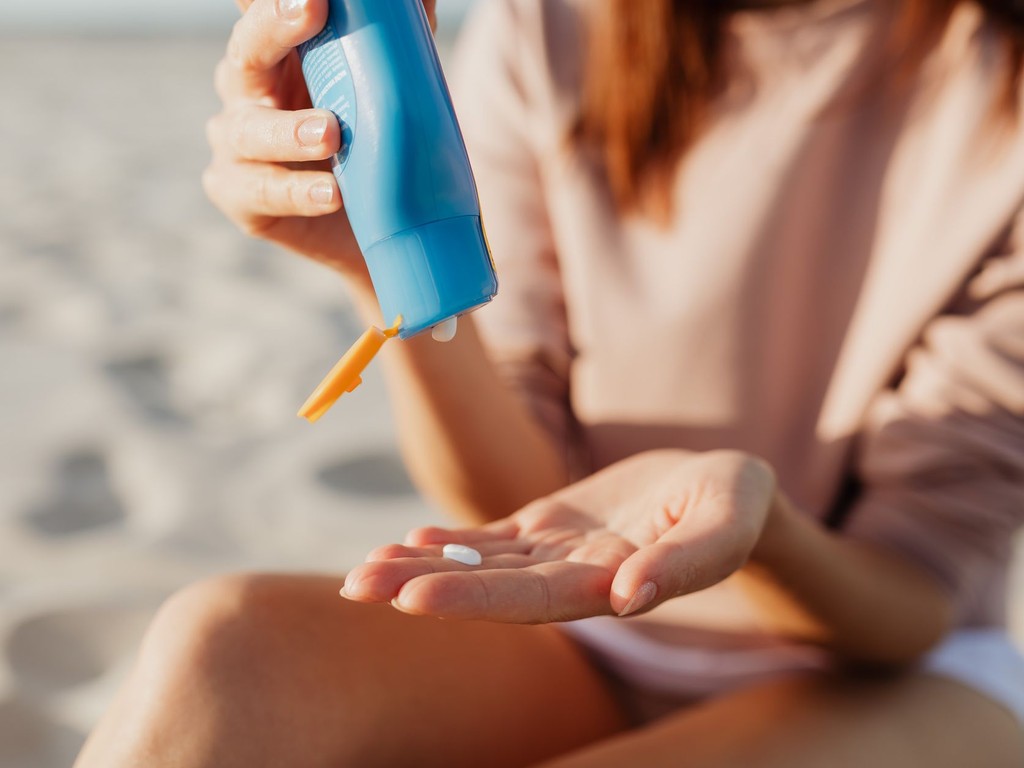
Practising skin cancer prevention seriously usually means treating sunscreen as a daily habit attached to something already automatic, like brushing teeth or applying moisturiser, rather than a special step reserved for obviously sunny days.
A broad-spectrum SPF 30 or higher, applied to face, neck and hands each morning, covers the areas that get the most cumulative year-round exposure even during a UK winter. Reapplication matters more in summer, but the baseline daily habit is what prevents the slow accumulation of damage that eventually shows up as age spots, wrinkling or, in worse cases, skin cancer decades later.
Setting a phone reminder for the first application of the day, rather than relying on remembering, closes the gap between intention and habit for most people during the first few weeks, after which the routine tends to become automatic enough that the reminder is no longer needed.
Clothing and Timing Choices That Matter More Than People Assume
A wide-brimmed hat and UV-rated sunglasses do more protective work per minute of exposure than most people credit, particularly for the scalp, ears and eye area, spots that are notoriously easy to under-apply sunscreen to and where skin cancers frequently develop.
Timing outdoor activity to avoid the roughly 11am to 3pm peak UV window, where practical, remains one of the simplest and least discussed protective strategies, mostly because it requires planning ahead rather than a purchase.
Shade isn't binary either. A thin cotton shirt offers meaningfully less protection than most people assume, sometimes equivalent to an SPF as low as 5 or 6 when wet, which is why sun-protective clothing rated with a UPF number has become more common for anyone spending extended time outdoors.
Diet, Medication and Skin Sensitivity
Certain common medications, some antibiotics, acne treatments and blood pressure drugs among them, increase photosensitivity, meaning skin burns faster and more severely than usual for the same UV exposure. Checking a new prescription's side-effect profile for this is a five-minute step worth taking.
Excessive UV exposure caused around 1.2 million new non-melanoma skin cancers and 325,000 melanomas globally in the most recent estimates in a report from the World Health Organization, a scale that reflects cumulative exposure across a person's whole life, not just the sunniest weeks of it.
Diet plays a smaller but real role too. Diets consistently low in antioxidant-rich fruit and vegetables have been associated with somewhat reduced skin resilience to UV damage in observational research, though sunscreen and clothing remain the dominant protective factors by a wide margin.
Hydration affects how visibly skin reacts to sun damage too, with dehydrated skin generally showing redness and irritation more readily after equivalent UV exposure, though this is a secondary factor rather than a substitute for actual protection.
Teaching the Next Generation Without Making It Scary
Children who get sunburned repeatedly before adulthood carry meaningfully higher lifetime melanoma risk, which makes early habits more consequential than many parents realise. Framing sun protection as a normal daily task, rather than a fear-driven lecture, tends to produce better long-term compliance from kids.
Simple visual cues help too: a UV-rated rash vest for a child who resists sunscreen, or a hat that becomes part of the standard outdoor kit rather than an occasional add-on, both reduce the daily friction that causes protective habits to lapse.
The goal isn't to make children afraid of being outside, which would backfire in its own way. It's to make protection so routine that it requires no more deliberation than putting on shoes before leaving the house, a habit that, once established in childhood, tends to persist with far less conscious effort into adult life.